Blog

  • Letting Go After Loss

    Letting Go After Loss

    Letting Go Following a Mother’s Death

    By the age of twelve, I knew what the word cancer meant. My mother had been diagnosed with stage-four pancreatic cancer shortly after Mother’s Day in 1988. Her physicality had slowly deteriorated, and she returned home from the hospital a fragment of the woman she had once been. Chemotherapy thinned her hair, and her swollen legs prevented mobility. I did my best to keep out of sight because I didn’t want to be present when my mother drew her last breath and slipped from this world into the next.

    I saw my mother for the last time on Saturday, June 18. That night, after telling her I loved her. I retreated to my room, but not before taking one last look at my mom, who was rocking back and forth, an attempt to comfort herself against the pain that ravaged her body. I slept peacefully through the night unaware that by dawn my mother’s agony would come to an end. When I awakened the next day, death had taken my mother without my permission.

    The funeral took place on June 22 – my mother’s 40th birthday. But instead of balloons and gifts, there were flowers and sympathy cards. Instead of “Happy Birthday,” I listened as the church choir sang “Amazing Grace.” Despondency claimed a permanent place in my world, and I prayed for my mother to return. But she never did.

    Through the years, my mother’s death weighed heavily on my mind. I harbored resentment at the world for taking her away and denying me the chance to see her through the eyes of an adult. Our relationship would remain frozen in childhood memories of fairy tales and bedtime stories; trips to the playground and toy store; the Easter Bunny and Santa Claus.

    The most pivotal moment came when I grudgingly found my way to the cemetery at the age of twenty – the place where I not only buried my mother eight years earlier, but myself as well. I knew that the only way to achieve tranquility would be to stand at the grave of my mother and offer her up to God. But the words did not come readily, so I stood staring at the trees in the distance, listening as the wind rustled their leaves. I looked across the cemetery at the lake, the water glistening with streaks of gold. Still, the words would not come. I sat on the ground next to my mom’s gravestone, my mind sifting through memories. I thought about the days my mother and I took long walks; the times she took me to the movies; the nights she spent by my side when I was sick. I thought about her cancer and how terrified I was to lose her and that day in June when I finally did.

    Suddenly, an epiphany. Maybe giving my mother to God meant returning her from whence she came. My mother didn’t belong to me, she never had. She was merely a gift bestowed upon me, however short our time together may have been. I had been holding my mother hostage in a world where she no longer belonged, and, in the process, I inadvertently kept myself locked in a past that didn’t exist. Finally, the words I’d been waiting for poured from my lips: “Mom,” I whispered, “I am ready to let you go.”

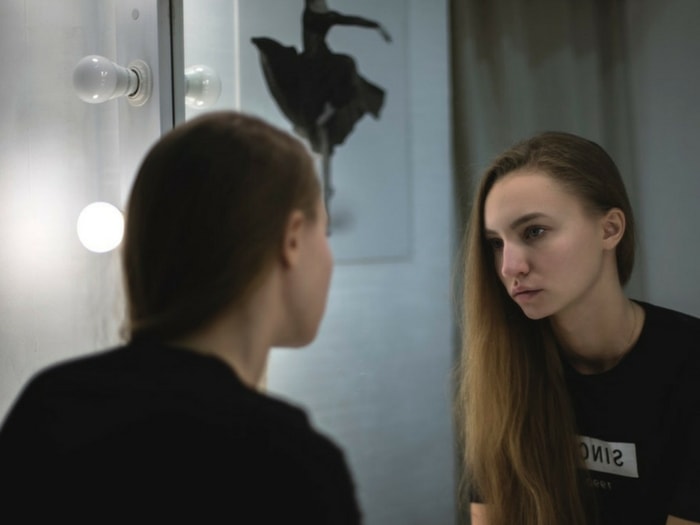
    My mother’s soul was free, but that didn’t mean we were no longer connected. She was part of the woman I had become and could be found in my gestures and features, my laughter and tears. In my reluctance to move forward, I failed to recognize her whenever I looked in the mirror.

    ARTICLE AUTHOR:
    Tara-Lynn-Marta-WriterTara Lynn Marta holds a BA in English from Penn State University, and she is currently working on her MA in Creative Writing at Wilkes University. Tara has been published by Aaduna, Inc., The Gorge, PoetrySoup, and The Humor Times. She is a book reviewer for At the Inkwell as well as a contributing blogger for the American Writers Museum.

  • Coping with Grief Following a Natural Disaster

    Coping with grief following a natural disaster is hard and stressful.

    Picture of Coping With Grief Following a Natural Disaster

    You may associate grief only with the death of a loved one however, many people will have and continue to face grief from natural disasters such as we are experiencing in America with the wildfires and two major hurricanes. We have witnessed not only loss of life but deep grief at the loss of property, pets, jobs and the routine of everyday life.

    When people experience any significant loss, they also experience grief. Grief is as human and inescapable as growing older. Those who experience loss from natural disasters will experience the same stages of grief as from a death.

    Grief is real for those who just lost their home filled with history and memories that washed away, Grief is real when you don’t have a change of clothes, or dry pair of shoes. Grief is real when you don’t have a job to go to because the building is now gone as is the school the kids attend along with the daycare center.

    Fear sets in when you wake up at a shelter or friends not knowing what the day will bring, where you will live and when life will become normal again. These are the same feelings we experience following the death of a loved one.

    I have experienced both. I lost my husband and mother within a month of one another and more recently I lost my home in a fire. I remember leaving my burning house with only the clothes on my back, my purse and my cat. I woke up the next day at my neighbors’ house wondering what was I going to do? Where would I live, how would I do my job as I worked from home? I wondered were all my most precious memories gone?

    I had the same feelings when I woke up after my husband died, after everyone went home and back to their lives wondering how would I survive? What would I do next. How will I get back into a routine and where do I start to rebuild my life?

    Stress Following Disasters

    Each person copes with stress differently following a natural disaster. Some of the signs could include:
    • Difficulty communicating thoughts
    • Difficulty sleeping
    • Difficulty maintaining balance in their lives
    • Low threshold of frustration
    • Increased use of drugs/alcohol
    • Depression, sadness
    • Feelings of hopelessness
    • Mood-swings and easy bouts of crying
    • Overwhelming guilt and self-doubt

    I experienced many of these stressors both following deaths and loss of my home. How we handle the stress I believe will determine our future. I find what has helped me cope and move forward was the support and physical help from family, friends and outsiders who offer assistance.

    In natural disasters, there are so many people that need help but be assured organizations such as the American Red Cross, The Salvation Army, local fire and police all are there to help and to accept their support can take away some of the stress.

    Letting Others In

    In times of natural disasters, you see communities and neighbors pull together – that’s what we do.
    When strangers offer to help, say YES. Accepting help is not a sign of weakness and it is the most loving act we can offer another human being.

    Giving Back

    I have found that people who are grieving the death of a loved one can find purpose again in helping others in their time of need. It takes us outside of ourselves and our own grief even temporarily. I also find that those grieving their own losses can offer more compassionate support because they understand the feelings of loss and therefore can share suffering and hope in a deep and meaningful way. That is healing for the giver and receiver. That is a real gift you have can give someone else and put meaning into your own life.
    So how could you help? Find ways to volunteer and lend a hand up to others during a disaster. Your compassion would make all the difference to someone suffering.

    “No one is useless in this world who lightens the burdens of another.” – Charles Dickens

    The key to healing is working through and past the death or disaster and into a new and hopeful future. It takes time and trust.

    How Can You Help?

    Coping with grief following a natural disaster is hard and stressful and sometimes all we can do is give financial support. I believe giving to trustworthy organizations who are on the ground in the communities is a worthy way to be supportive. You can know many other organizations but here are two:

    American Red Cross Disaster Relief
    Salvation Army Disaster Relief

    picture of JoAnne Funch JoAnne Funch

  • Seventh Anniversary

    seventh-anniversary of mother's death

    Author:  Chrisanna Hibbitts, on the Seventh Anniversary of her mother’s death

    Every year I feel it. Deep, like an old heartbreak; or muscle memory from routines past… My body begins to grieve much sooner than my mind remembers why…

    Days, even weeks in advance, everything starts to change… I feel more anxious and restless, unable to sleep; the exhaustion, distraction and sadness sets in. Then all the memories of her last days come flooding back…

    Her fall out of bed… five weeks in the hospital… her quick deterioration and confusion, constantly asking, “Am I dying?” Then the trip home, Hospice care, and less than 48 hours later, her last breath. The head nurse, the coroner and the body bag waiting in the living room… my last moments alone with her and realizing she was now, only an empty shell of the woman I knew… the shock of losing my mother; the reassurance of knowing she was finally home with Jesus.

    Seven years ago, in Arlington, Texas at 1:55am Friday morning, my mother passed from this life into the next. She battled Stage-4 breast cancer for eight years, and had a resilience and assurance of faith that rivaled Old Testament prophets. She raised me on her own with the help of my grandparents, who years before, had passed as well. Then last year, my father and his mother joined them. All the family I’ve ever known, finally together in Christ… without me.

    But I’m not alone. My father’s extended family has taken me in and made me their own. My church family and sweet friends I’ve made over the years come through again and again. But I still feel it. I anticipate it. And the grief and sadness takes me by surprise every time… until this year.

    I’ve experienced more loss in the past year than in my last 39 years combined. But I survived. I asked for help. And I took time away to rest, refresh, and retreat.

    I find it no accident I came to the completion of this season of loss, on the very eve of her death; which just as I sat by her side through the night seven years ago, I do every year on this date. I can’t truly sleep until around 4:00am, because that’s when I finally slept after her body was taken away.

    This year, however… The week before her anniversary, I was on vacation in South Dakota. The weekend of, I attended a ladies’ retreat with my new church family. And when the clock struck 2:00am this morning, I had my new kitten asleep on my lap.

    I still miss her every day. And I’m truly humbled by the amazing legacy of faith she and my grandparents left behind. But this year, I’m grateful I was able to bask in her joy, rather than wallow in my grief.

    Chrisanna Hibbitts & motherI love you, Mom.

    My name is Chrisanna Hibbitts from Arlington, Texas. I was raised the only child of a single mother, who was highly educated and had a passion for learning. She taught me to read at the age of four, and by 13, I was an avid writer. I wrote for the school newspaper in Junior High, and in high school earned publications in the National Library of Poetry’s “In Dappled Sunlight” and “Poets of 1997.” Shortly after earning my graduate degree, my mother passed away, and I began an online blog, “My Life After Death.” Several years later, I set a personal goal to learn about proper nutrition, and wrote a blog advocating for weight loss and clean eating. I now live in Dallas and work as a freelance writer, creating resumes and cover letters for local clients, and write a blog focused on addiction and recovery.

  • Finding Collateral Beauty in Grief

    Collateral Beauty in Grief

    Have you seen the new movie “Collateral Beauty” starring Will Smith? He plays a man who has been grieving for years trying to make sense of a tragic death.

    Death can bring us more questions about life and in the case of Will Smith’s character, is isolated himself from those who cared about him most.  The story unfolds as he writes letters to Love, Time and Death.  Okay, well some might say there is a similarity to a Christmas Carol story, and I say “so what.” It is a modern day story of bereavement and for those reading this blog, well I know you will find meaning.

    Death Often Brings Questions

    For those of us who lost a loved one in a tragic situation,  or a child died it always conjures up questions of why.  Why was the person taken so soon?  Why should the person have suffered? Why a child?  Why the accident?

    Death causes many of us to question life’s meaning and in the case of Will Smith’s character, as he questions the things that have brought him the most hurt, he starts to see what the meaning of each of these reveal in his life even how loss reveals moments of beauty.

    What Questions Has Your Loss Revealed?

    I found the film to be very thought provoking and I reflected back to the questions I had following the tragic death of my husband.  I admit, I asked why a lot in the beginning.  Why me?  Why did I have to pick-up the pieces?  How would I move on? How would I survive the pain?

    Where Are the Gifts?

    When we are in the middle of our grief we cannot see anything positive, hopeful, beautiful or remotely close to being a gift.  We can’t see any gifts or beauty in our loss. In fact,  for me,  it was time that gave me a perspective to see more clearly. I know, when people tell you after the funeral that time will heal you don’t want to hear it. You think what do these people know, they can’t understand my loss.

    For me,  time did have a way of healing the pain. In time my pain softened and I began to smile more than I cried. I found it was easier to talk about the fond memories of the past than shoving them away never to be talked about.

    I look back and found the beauty in the people who were there for me.  The family, friends and even the strangers in the support group who held me up when I was weak.  The business colleagues who came together and helped me move my office, the customers who acknowledged my loss and hung in with me until I was able to serve them again.

    Yes, thinking back there was a sales person at Lowes who comforted me when I was crying in an aisle trying to find the right parts to fix the lawn sprinkler.

    Question of Faith

    Yes, I questioned my faith for a moment. I was a little mad at God for having to go through life without my partner. We were young, we were supposed to grow old together.   Interesting though how quickly my anger softened to faith in that same God that I prayed to for help in getting me to the other side of grief.  I prayed hard for God to hold me up and for me to believe there was a greater plan even if I couldn’t understand what that could be.

    Faith a something greater than myself, it brought me comfort and each one of us has an individual spiritual journey where we confront our God and the search for a deeper meaning to our lives.

    Perspective

    I was moved by this statement in the movie

    “Nothings ever really dead if you look at it right”

    I continue to see my husband everywhere. I see him in my daughter, I see him influencing decisions I make because I have a knowing about what he would think.  I know the joy he brought into my life and to the lives of friends who bring up his name on occasion.  I lovingly remember my Mom who nurtured and inspired me to the woman I am today. I think of my loved ones who are passed in loving and meaningful ways and I am grateful I was able to share some of my life with them.

    I lovingly remember my Mom who nurtured and inspired me to the woman I am today. I think of other loved ones who have passed.  I now have perspective and I remember them in loving and meaningful ways and I am truly grateful I was able to share some of my life with them.

    In time, answers are revealed to Will Smith’s character in the movie through the love and beauty of those who cared about him.  I won’t say reveal any more as not to spoil the movie for you.So what does collateral beauty mean to you? How have you experienced it?

    If you see it let me know what collateral beauty means to you? How have you experienced it?

    I’d love to hear from you, so please leave your comments below.


  • Grieving Without Regret

    grieving without regret

    Can there be grieving without regret?  The experience of this strong emotion is both individual and universal to one extent or another.

    We experience regret when we look back on our actions and  feel we should or could have done something differently.  In my article “When an Ex-Spouse Dies”, there are hundreds of comments from readers who experience regret following the death of their ex-spouse.  Emotions from their past stirred unexpected feelings of both sadness and regret even when many had moved on to new relationships and marriages.

    Is it regret or guilt?

    Sometimes guilt and regret seem to be the same thing when in fact they aren’t.  Guilt is that emotion we experience when we know something is morally wrong.  As I said above, regret pings our mind wondering if we could have done something differently.

    Letting go of despair

    I so often hear from those grieving when they are in a state of despair. They haven’t learned how to move through grief.  There is a great passage by Jerry Sittser the author of “A Grace Disguised: How the Soul Grows through Loss.” that offers perspective:

    Many people are destroyed by loss because, learning what they could have been but failed to be, they choose to wallow in guilt and regret, to become bitter in spirit, or to fall into despair. While nothing they can do will reverse the loss, it is not true that there is nothing they can do to change. The difference between despair and hope, bitterness and forgiveness, hatred and love, and stagnation and vitality lies in the decisions we make about what to do in the face of regrets over an unchangeable and painful past. We cannot change the situation, but we can allow the situation to change us. We exacerbate our suffering needlessly when we allow one loss to lead to another. That causes gradual destruction of the soul. This destruction of the soul represents the tragedy of what I call the “second death,” and it can be a worse tragedy than the first. The death that comes through loss of spouse, children, parents, health, job, marriage, childhood, or any other kind is not the worst kind of death there is. Worse still is the death of the spirit, the death that comes through guilt, regret, bitterness, hatred, immorality, and despair.

    Is Steps to dealing with regret and guilt

    Helen Fitzgerald in The Mourning Handbook: A Complete Guide for the Bereaved offers several suggestions for dealing with regrets and guilt. Although this is an older publication many of these steps are practical and useful.

    1. Begin by identifying what is causing you to feel regretful or guilty. Make a list and determine what causes you to feel guilty and what causes you to feel regretful. Writing the list may in itself be beneficial. Look at your list. Think about what you could do to reduce the regrets.
    2. Be careful not to second-guess yourself. Don’t be overly critical of your behavior. People are generally doing the very best they can during a stressful time. Fitzgerald says “don’t assign greater strength to yourself now than those circumstances would have allowed.” We are not super human beings.
    3. Try to be objective. If the guilt is real you may need professional help to deal with it. But if the guilt is more your own way of looking at the situation, talk about it with a trusted friend. Perhaps another person can help you look at the situation differently.
    4. Plan to do something to eliminate your guilt. Maybe there’s a task you’ve been putting off doing or something you could do for someone else. You need to decide how much you should do in order to let go of your feelings of guilt.
    5. Be ready to forgive yourself. If that seems hard to do; then think about why it is difficult.
    6. Think about what you have learned. Ask yourself what you could do to prevent having similar feelings in the future. If you wish you had expressed your feelings of love then resolve to do it now to people you care about.
    7. Finally, don’t forget the many good things you did for that person. Remember those good things when you start feeling bad about yourself. Writing them down may be helpful.

    Forgiving yourself

    I think the most important step in releasing regret is simply forgiving yourself.  Remember you made the best decision you could at the moment in time when you made it. Second guessing your decision is futile, but honoring your decisions and forgiving yourself for feeling regret is a big step to healing.

    We can’t change the past – we can only make different decisions for the future.  Saying out loud “I forgive you and I love you” is powerful.  If you are a person of faith you can pray to the person who has passed and tell them your regrets and then let them go.